
Who you buy from affects more than the unit price. It can also influence lead times, product continuity, technical communication and the way repeat orders are managed.
Renasan manufactures its products at its own facility in Ankara, Türkiye, and supplies customers directly.
Working directly with the manufacturer reduces unnecessary layers between your purchasing team and the source of production.
Direct Communication on Product Requirements
Dimensions, material structure, repeat-order requirements, packaging and brand-specific needs can be discussed directly with the production side. This makes it easier to evaluate whether a product configuration is suitable before the order is placed.
Better Visibility for Repeat Orders
For products purchased regularly, continuity is as important as the first quotation. A direct manufacturer relationship gives purchasing teams a clear contact point for repeated requirements and product-specific questions.
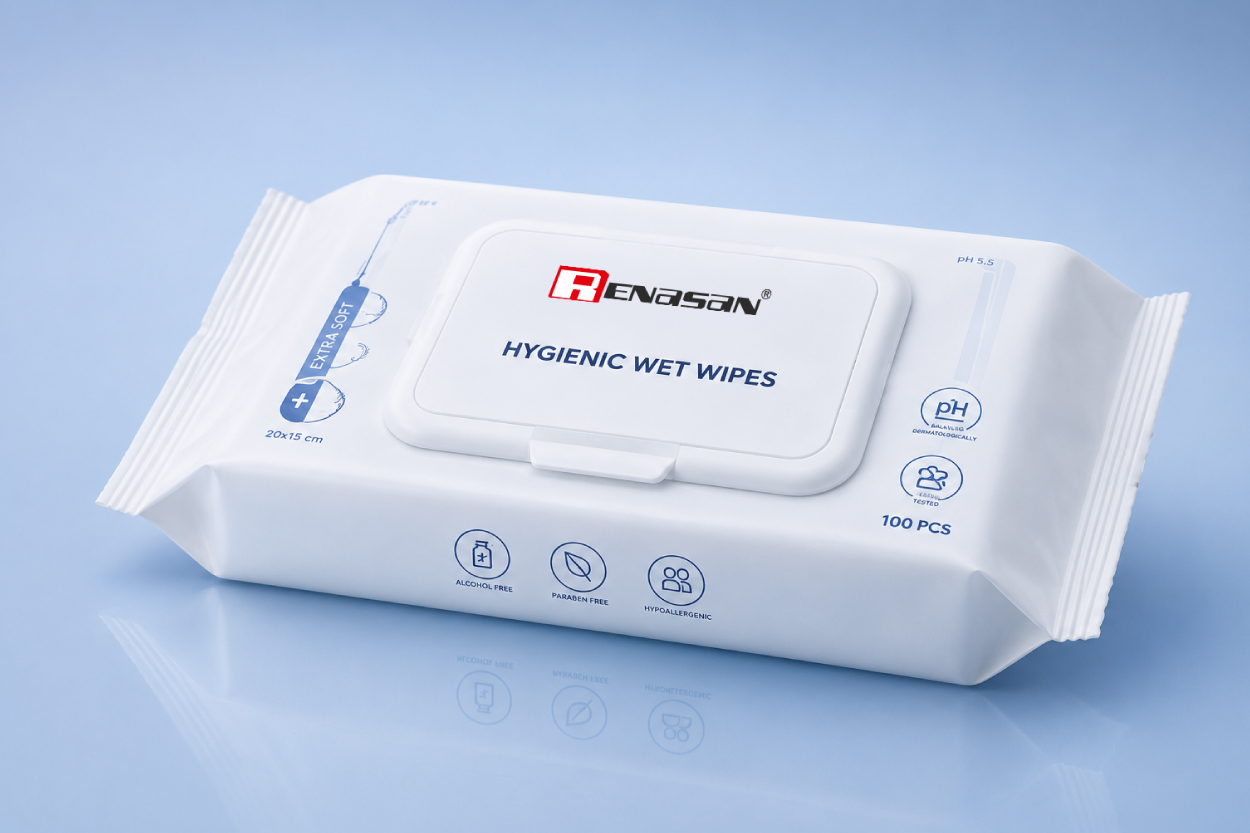
Renasan supplies products including Laminated Examination Table Cover – Couch Roll, dental disposables and individually packed wipes. We also support Private Label Manufacturing projects.
Compare Price, Product and Supply Structure Together
If you already purchase a similar product, send us its dimensions, specifications and approximate quantity. We can prepare a manufacturer quotation so you can compare not only price, but also the proposed supply structure.
RENASAN A.Ş.
Direct manufacturing. Consistent supply. Long-term cooperation.
What can direct manufacturer purchasing offer?
Buying directly from a producer can shorten the communication path between procurement and manufacturing. Technical questions, product dimensions, packaging arrangements and changes may be easier to discuss when fewer intermediaries are involved. However, direct purchasing does not automatically mean the lowest price or shortest lead time. Buyers must assess whether a particular manufacturer can meet the requirements and compare the full commercial terms.
For frequently used medical and hygiene consumables, consistency across repeat orders is often as important as the first purchase. If roll width, layer construction or units per pack change, those differences need to be communicated accurately. Direct access to a manufacturing contact can help when supported by a clear specification and approval process.
Discuss technical requirements with the production source
A buyer may have questions about examination table cover perforations, roll length or material construction. Dental bibs can raise separate requirements for surface absorbency and fluid resistance. Individually packed wipes may involve special packaging, labels or filling arrangements. Direct dialogue with a manufacturer makes it possible to review these details before placing an order.
It remains essential to verify that proposed alternatives actually suit the intended application. Relevant performance needs and any applicable requirements must be assessed rather than accepting a suggested substitution automatically. Written specifications provide the basis for comparison. Our article on controlled product definitions outlines practical steps.
Assess the commercial case realistically
Reducing intermediary steps may affect some costs, but manufacturer minimum order quantities, packaging arrangements, freight and delivery terms still determine the commercial result. For small urgent orders, other supply models may sometimes be more convenient. Compare offers using the same specifications and delivery scope instead of assuming a “factory price” is always better value.
For a roll product, unit cost per metre or square metre may be more useful than roll price. For dental bibs, pack quantities and actual product requirements matter. Include storage, shipping and potential usage-related costs in the broader evaluation.
Information to provide to the manufacturer
| Information | Example | Benefit |
|---|---|---|
| Product description | Code and intended use | Reduces product confusion |
| Dimensions | Width, length or capacity | Supports precise comparison |
| Material needs | Layer structure or function | Enables feasibility review |
| Quantity and packaging | Pack counts and purchase volume | Clarifies production and pricing |
| Delivery | Destination and target period | Defines logistics |
| Customization | Artwork or private label requests | Identifies preparation work |
Samples and technical approval
Where an item is new to a buyer, an approved sample can support technical evaluation. Record the sample’s identity, dimensions and artwork revision as needed. Commercial approval of a quotation is not the same as acceptance of technical suitability. Any tests or quality checks needed for the application must be completed separately.
Ensure subsequent production references the correct approved sample. Similar product names can conceal meaningful variations in packaging or dimensions, so shared records are valuable.
Repeat-order continuity and supply risks
Depending on product criticality, using only one sourcing option is not always the lowest-risk approach. Qualifying suitable alternative suppliers may be valuable. A direct manufacturer can nevertheless be an important point of contact for planned orders and consistent product configurations.
Track real lead times and align purchases with the consumption rate. The method in our safety-stock and reorder-point guide can support this planning. Forecasts shared with a manufacturer should be distinguished from confirmed commitments.
Custom requests and feasibility
Direct communication can make it easier to explore special dimensions, materials or packaging, but feasibility is not guaranteed. Material sourcing, artwork preparation and production setup may affect lead times and minimum order quantities. Where appropriate, divide a custom project into feasibility, sampling, technical approval and production stages.
For private label requests, confirm final artwork versions and responsibilities for product information and brand rights. Functional and packaging claims should be grounded in applicable evidence.
A direct-sourcing checklist
- Verify the relevant product options offered by the manufacturer.
- Request quotations for equivalent technical specifications.
- Check minimum volumes, logistics and payment terms.
- Maintain sample approval and revision records.
- Compare lead times with your inventory requirements.
- Consider repeat-order needs and alternative-source risks.
Frequently asked questions
Is a manufacturer always the cheapest supplier?
No. Order volume, product construction, packaging and logistics all affect total cost.
Can every custom size be produced immediately?
No. The manufacturer must evaluate feasibility, materials and the production schedule.
How can buyers maintain consistency on repeat orders?
Use the same approved product code, specification revision and sample reference.
Conclusion: The principal value of direct manufacturer purchasing is clearer evaluation of technical requirements against production capabilities. Assess product suitability and supply continuity rather than relying only on supplier type or headline price.
Product Catalogue: RENASAN 2026 Product Catalogue